The Angkor Complex is not just a collection of old buildings; it is a sprawling, 400-square-kilometer testament to the architectural brilliance and spiritual depth of the Khmer Empire. Designated as a UNESCO World Heritage site in 1992, it remains one of the most significant archaeological sites in Southeast Asia.

The Heart of Khmer Civilization
From the 9th to the 15th century, Angkor served as the seat of the Khmer Kingdom. At its peak, it was the largest pre-industrial city in the world, sustained by a sophisticated water management system of barays (reservoirs) and canals.
The Crown Jewels of the Site - While there are hundreds of ruins scattered throughout the park, three sites stand as the pillars of the Angkor experience:
- Angkor Wat: The world’s largest religious monument. Built by King Suryavarman II in the early 12th century, it is a physical representation of Mount Meru (the home of the gods). Its symmetrical towers and intricate bas-reliefs, depicting epic Hindu myths, are unparalleled.
- Bayon Temple: Located at the center of the ancient city of Angkor Thom, Bayon is famous for the "216 giant smiling faces" of Avalokiteshvara carved into its stone towers. It reflects the transition of the empire from Hinduism to Mahayana Buddhism.
- Ta Prohm: Left largely in the condition in which it was found, this "Jungle Temple" is famously strangled by the roots of massive silk-cotton trees. It serves as a hauntingly beautiful reminder of the power of nature over man-made structures.

Why UNESCO Status Matters - The inclusion of Angkor on the UNESCO World Heritage list was pivotal for its survival. This status ensures:
- Global Conservation: International teams from France, Japan, and Germany work alongside the APSARA National Authority to restore and stabilize crumbling structures.
- Sustainable Tourism: Efforts are constantly made to balance the influx of millions of visitors with the physical preservation of the soft sandstone carvings.
- Cultural Identity: It protects the living heritage of the local communities who still live within the park and practice traditional customs.
Pro-Tips for the Conscious Traveler
To truly appreciate this UNESCO site, consider these approaches:
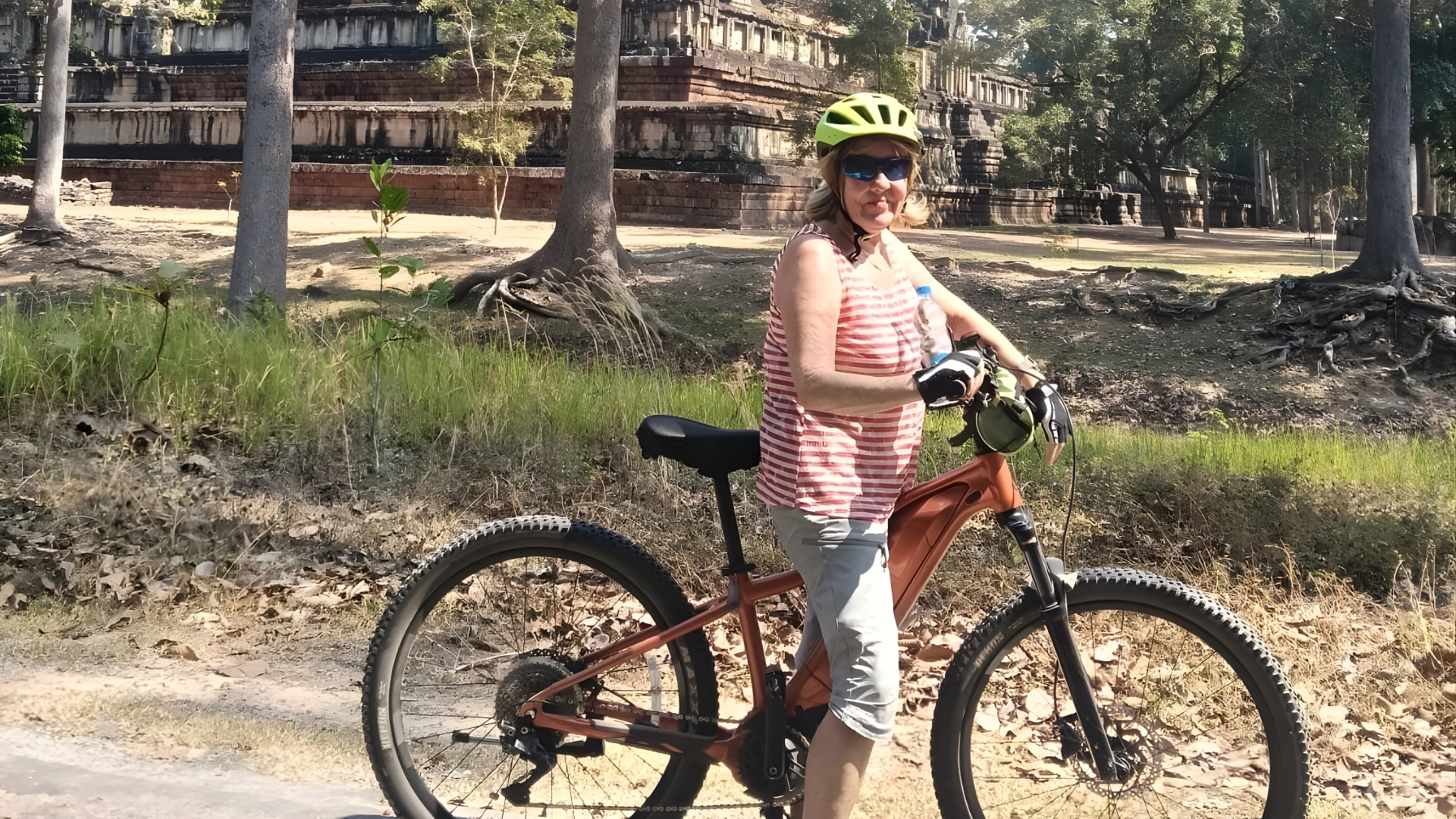
- The "Grand Circuit" via Bike: Instead of a car, use a bicycle to navigate the quieter forest trails between temples. It allows you to see the "small" details most tourists miss.
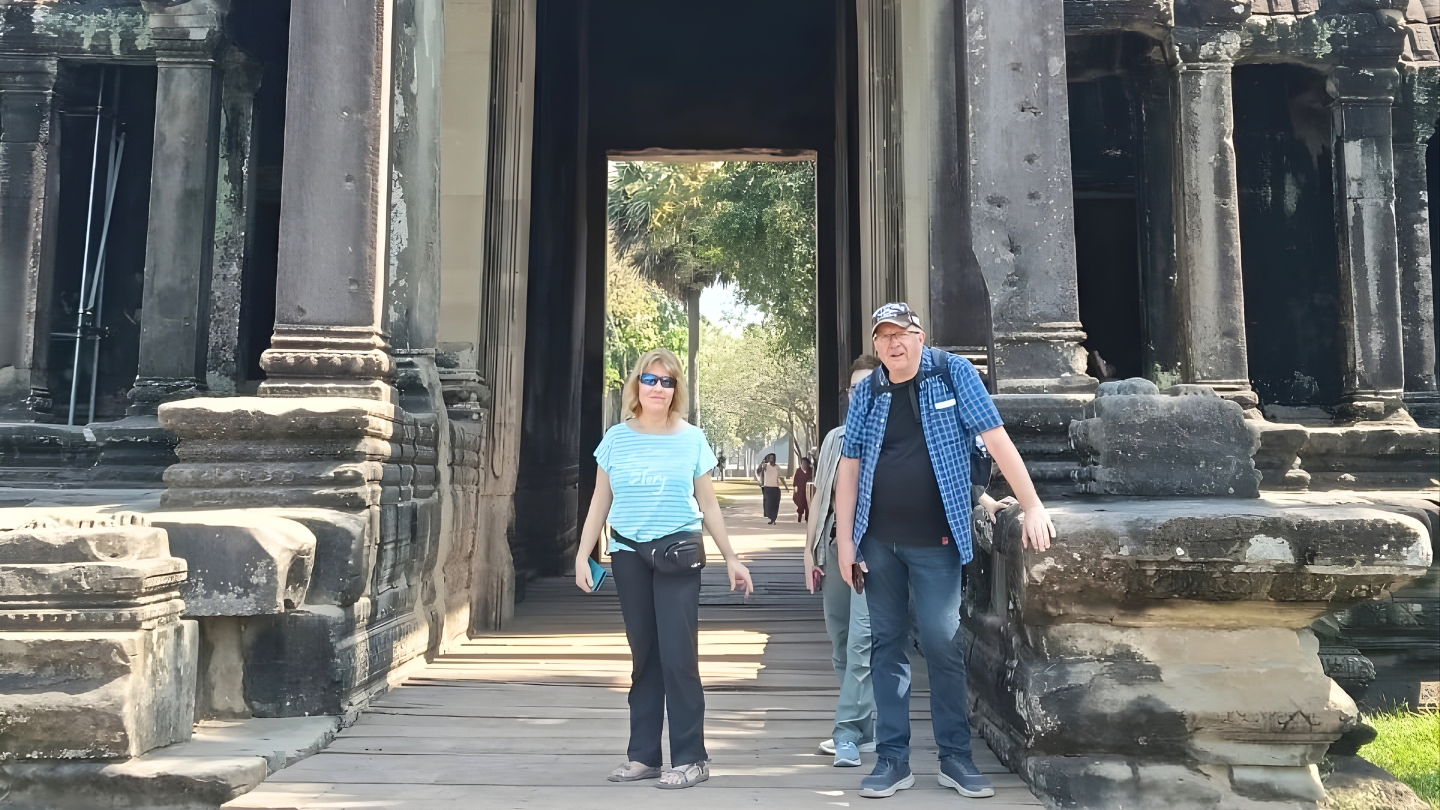
- Respect the Dress Code: As a sacred site, visitors must cover shoulders and knees.
- Sunrise & Sunset: While Angkor Wat is famous for sunrise, try watching the sunset from Phnom Bakheng or a quiet spot by the Sra Srang reservoir for a more peaceful experience.